How Austrian Gamblers Select and Test Payment Methods Across Casino Apps
Riley Long · Aug 24, 2026
How Austrian Gamblers Select and Test Payment Methods Across Casino Apps
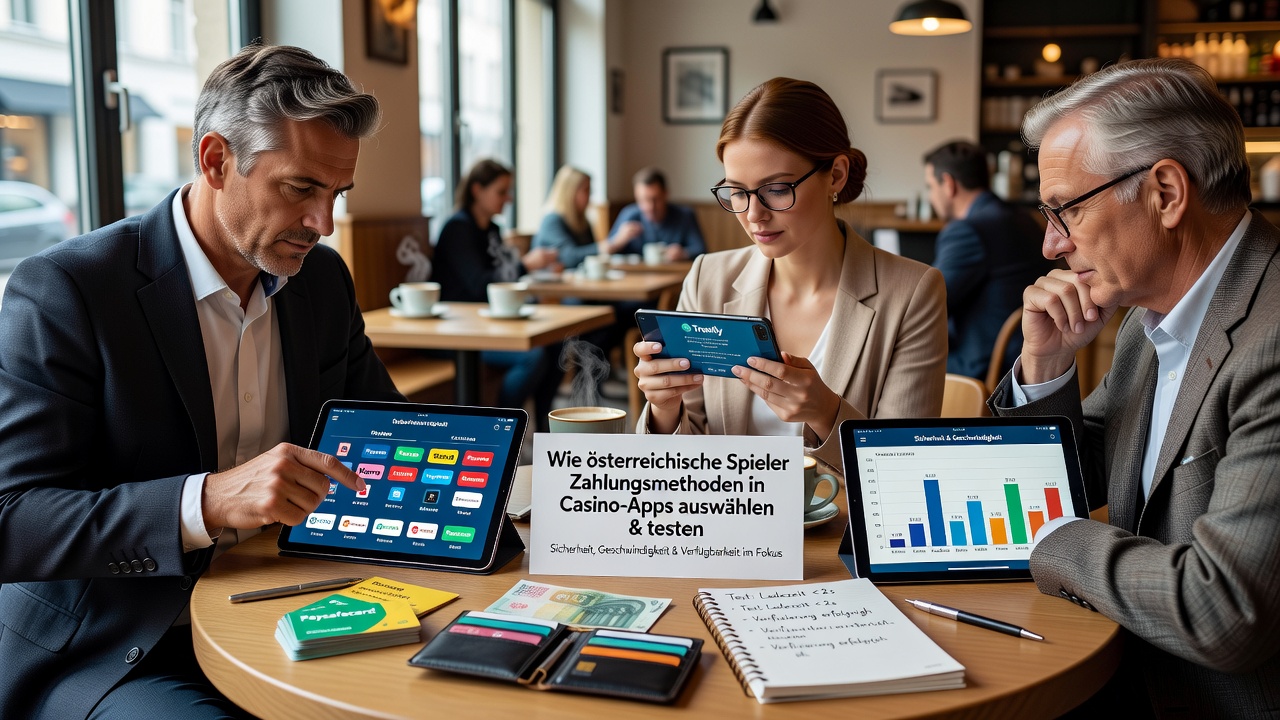
Austrian gamblers navigate payment method selection in casino apps by evaluating factors such as transaction speed, security protocols, and compatibility with national banking systems while they also assess compliance with local licensing requirements under the Glücksspielgesetz. Observers note that users typically begin the process by examining whether a method supports instant deposits and withdrawals, which matters because many prefer options that integrate directly with Austrian banks or e-wallets popular in the EU region.
Data from industry reports indicates that credit and debit cards remain common choices for initial testing, yet many shift toward bank transfers or prepaid vouchers once they verify lower fees and stronger privacy protections. Researchers at academic institutions have documented how these preferences evolve as gamblers conduct small test transactions to measure processing times and confirm that funds appear without unexpected holds or currency conversion issues.
Key Criteria for Payment Method Selection
Selection starts with regulatory alignment since only payment providers authorized under Austrian and EU frameworks receive approval on licensed platforms, and this requirement filters out many international options that fail to meet anti-money laundering standards. Gamblers often cross-reference app listings against official registries maintained by the Austrian Federal Ministry of Finance, and they verify that each method includes two-factor authentication plus encryption features before proceeding to tests.
Cost structures receive close scrutiny because transaction fees and exchange rates can erode winnings, so users compare these details across multiple apps and favor methods that display clear pricing without hidden charges. Studies conducted by European research bodies reveal that speed of access influences decisions heavily, with same-day withdrawals ranking higher than slower alternatives even when the latter offer marginally better rates.
Testing Procedures Employed by Users
Testing follows a structured sequence where individuals first register on an app, complete identity verification, and then initiate a minimal deposit using the chosen method to observe confirmation speed and any associated notifications. They track the funds movement through their banking apps or e-wallet dashboards, noting any delays or error messages that might indicate compatibility problems with Austrian financial infrastructure.

Withdrawal tests come next, and observers report that successful small payouts within stated timeframes encourage continued use while delays prompt switches to alternative methods. People who have examined these patterns note that support responsiveness during tests serves as an additional indicator, since prompt resolution of issues builds confidence in the overall reliability of a payment channel.
Common Payment Methods and Regional Patterns
Bank transfers through systems like SEPA dominate for larger amounts because they align with EU-wide standards and provide traceable records required for tax reporting in Austria, whereas e-wallets see preference for smaller, frequent transactions due to their mobile integration. Prepaid cards and vouchers appear in apps targeting users who prioritize anonymity, and data shows these options undergo testing for redemption ease at physical locations or online portals.
According to figures released by regulatory authorities in Canada and Australia, similar testing behaviors emerge among gamblers in those jurisdictions, which suggests that Austrian patterns reflect broader international trends in app-based gaming payments rather than isolated preferences. Yet local factors such as language support in apps and integration with Austrian tax identification systems add unique layers to the evaluation process.
Regulatory Context Shaping Payment Choices
Austrian regulations mandate that licensed operators partner only with payment processors that maintain strict record-keeping and fraud prevention measures, and this framework guides how gamblers approach testing by emphasizing verifiable audit trails. Updates to these rules around mid-2026 have prompted apps to introduce enhanced verification steps, which in turn affect how quickly new methods gain acceptance among users who must adapt their testing routines accordingly.
One study from a Swiss research institute highlighted that compliance documentation influences selection more than promotional incentives, as gamblers seek assurance that their chosen method will not trigger account restrictions during routine checks. Those who monitor regulatory announcements often adjust their testing protocols to include verification of any new reporting requirements before committing larger sums.
Conclusion
Patterns observed across Austrian casino apps demonstrate that systematic selection and testing of payment methods center on measurable attributes such as speed, cost, and regulatory fit, with users relying on small-scale trials to validate performance before full adoption. External sources including government agencies in multiple regions continue to track these behaviors, and their data supports ongoing refinements in app features that align with user expectations for secure and efficient transactions.