Decoding Glossary Entries to Uncover Payment Adaptations in Austrian Casino App Ecosystems
Elena Simmons · Oct 22, 2026
Decoding Glossary Entries to Uncover Payment Adaptations in Austrian Casino App Ecosystems
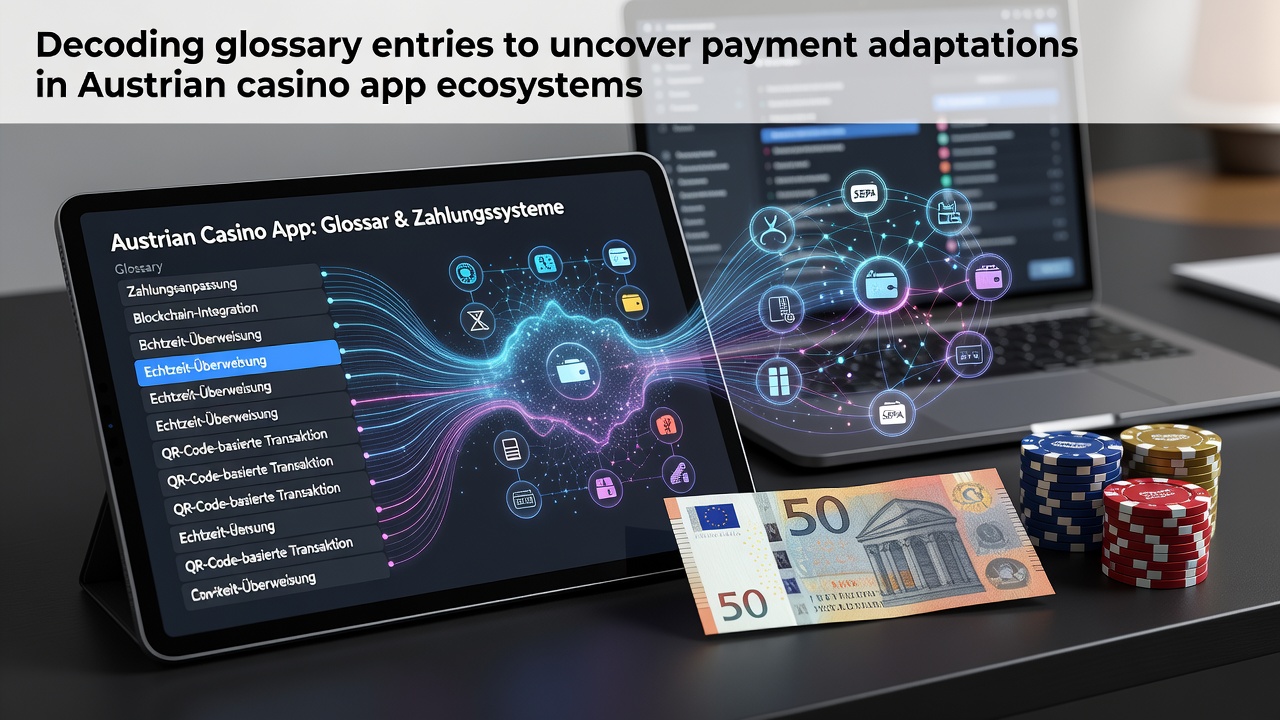
Glossary entries in Austrian casino apps serve as structured repositories that detail payment options, transaction processes, and compliance requirements, allowing observers to trace how providers adjust to evolving regulatory frameworks and mobile user demands. These entries often list terms such as instant bank transfers, digital wallets, and localized currency conversions, each accompanied by explanations that highlight processing times, security protocols, and eligibility criteria specific to Austrian markets.
Mapping Glossary Definitions to Regulatory Changes
Researchers examining app glossaries note that definitions for payment methods expand or contract in response to updates in Austria's gambling legislation, particularly around secure transaction standards and data protection rules enforced through the Federal Ministry of Finance. For instance, entries describing electronic fund transfers frequently incorporate references to real-time verification systems that align with national banking integrations, while terms related to cryptocurrency options remain limited or absent due to current restrictions. Data from industry reports indicate that between 2024 and 2026, multiple apps revised their glossary sections to emphasize instant payout features tied to approved domestic providers, reflecting adaptations that prioritize speed without compromising verification layers.
What's interesting is how these glossary updates coincide with broader shifts in mobile ecosystems, where providers integrate glossary-linked tutorials on payment security to guide users through multi-factor authentication steps. Observers note that phrases like "verified bank transfer" or "app-based wallet deposit" appear more frequently in recent versions, often linked to case studies showing reduced processing delays after October 2026 implementations of enhanced digital identity checks.
Tracing Payment Innovations Through Specific Terms
Payment adaptations become clearer when glossary entries are decoded for patterns in terminology around e-wallets and prepaid cards, which studies from European research institutions reveal as primary vehicles for Austrian players seeking low-friction mobile transactions. Entries for services like Trustly or Skrill detail fee structures and minimum thresholds that mirror adaptations to competitive pressures and user preferences for seamless app navigation. Those who've analyzed multiple apps find that glossary language often evolves to include cross-border compatibility notes, even as core operations stay anchored to Austrian banking rails.
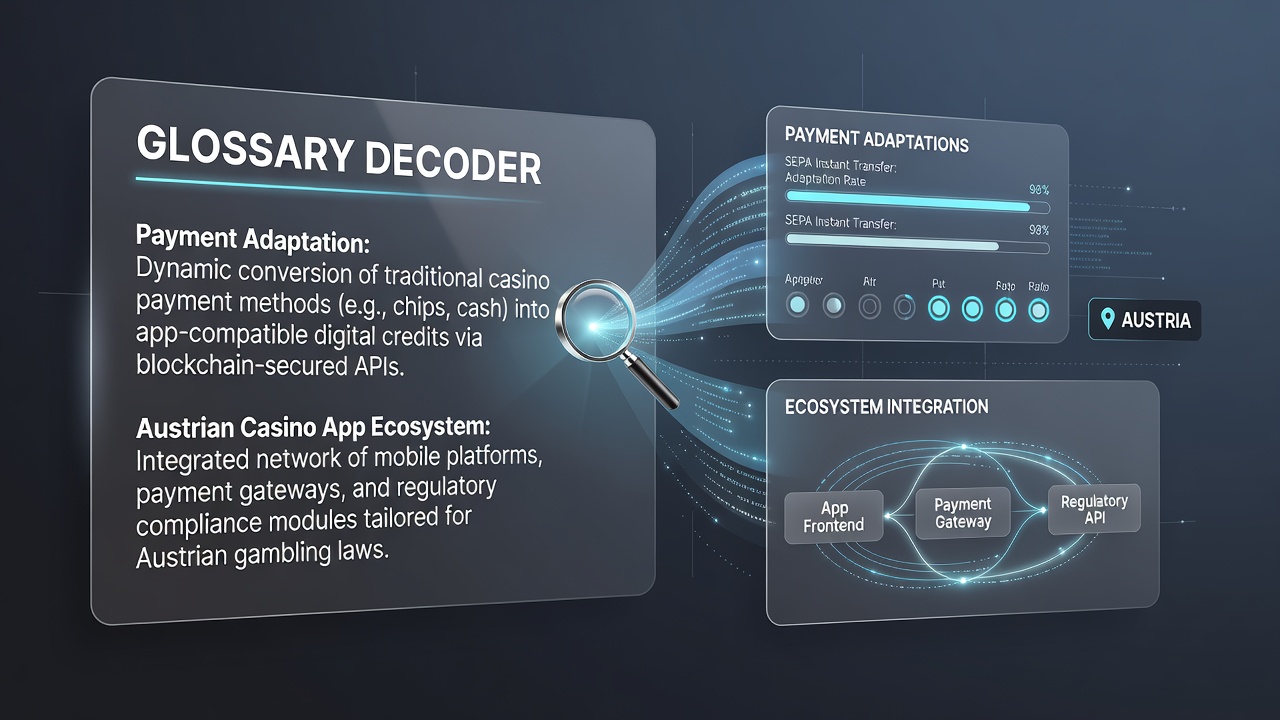
One study revealed that glossary expansions around "recurring deposit options" correlate with provider strategies to retain users through automated billing tied to local regulations, whereas older entries focused mainly on single-transaction flows. According to figures from the Austrian Federal Ministry of Finance, transaction volumes via adapted mobile methods rose steadily through 2025, with glossary clarifications helping reduce user errors in app-based processes. People who've tracked these changes observe that terms describing chargeback procedures now emphasize faster resolutions, adapting to consumer protection guidelines that took effect in recent regulatory cycles.
Case Examples of Glossary-Driven Insights
Take one analysis of popular Austrian casino apps where glossary entries for "mobile instant cashout" were cross-referenced against actual app performance data, showing how definitions expanded to cover biometric confirmations introduced after mid-2026. There's this case where experts found that revisions to wallet-related terms coincided with partnerships between app developers and Austrian payment processors, leading to glossary additions that specify regional currency support and tax withholding protocols. Industry organizations such as the European Gaming and Betting Association have published reports linking such glossary refinements to measurable drops in transaction disputes across mobile platforms.
Yet another pattern emerges in entries covering prepaid voucher systems, which research from university-led projects in Central Europe shows adapting to include digital top-up instructions compatible with Austrian telecom networks. These adaptations allow providers to address seasonal usage spikes while maintaining compliance with national oversight bodies.
Conclusion
Decoding glossary entries provides a systematic lens for identifying payment adaptations across Austrian casino app ecosystems, as terms evolve alongside regulatory updates and technological integrations. Evidence from government sources and academic studies demonstrates that these textual changes track real shifts in transaction methods, security features, and user accessibility. As of October 2026, ongoing revisions continue to shape how apps present and support payment options, offering researchers and developers clear indicators of market direction without requiring direct system audits.