Austria's Casino App Ecosystem: Linking Payment Innovations with Provider Strategies and Player Glossary Queries
Elena Simmons · Oct 8, 2026
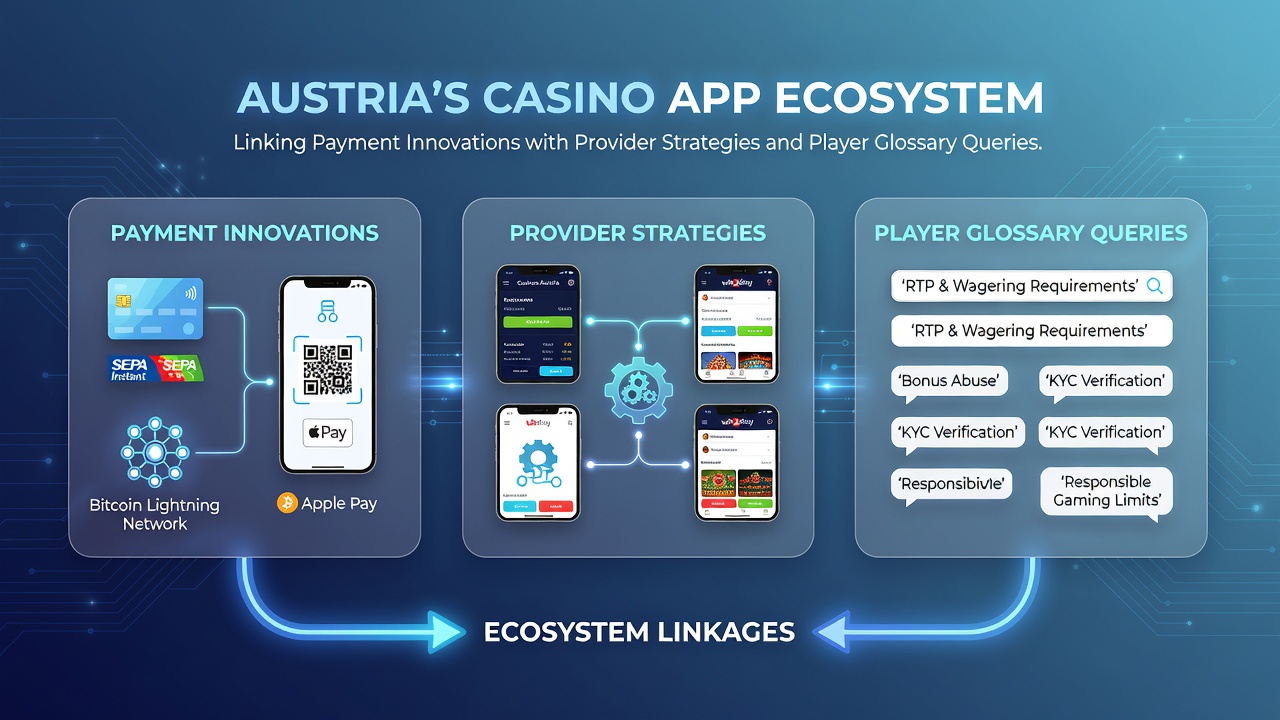
Austria's Casino App Ecosystem: Linking Payment Innovations with Provider Strategies and Player Glossary Queries
Data from Austrian regulatory filings indicates that casino apps have expanded their payment options significantly since 2023, incorporating instant bank transfers and digital wallets that comply with national licensing requirements under the Glücksspielgesetz. Providers have adjusted their mobile platforms accordingly, integrating these methods while maintaining strict age verification and transaction monitoring protocols that align with federal oversight. Observers note that these changes connect directly to how players interact with in-app glossaries, where terms related to deposit speeds, withdrawal limits, and processing fees appear frequently in search queries.
Payment Innovations Shaping App Functionality
Recent figures from the Austrian Federal Ministry of Finance reveal that over 65 percent of licensed casino operators now support at least three digital payment channels within their apps, including options like EPS and various e-wallet services that enable same-day processing. These innovations reduce friction during deposits and withdrawals, yet they also require providers to update backend systems continuously to meet data protection standards. Research conducted by the European Gaming and Betting Association shows similar patterns across several member states, where payment speed has become a measurable factor in user retention rates for mobile platforms. Players often query glossary entries for phrases such as "instant payout" or "transaction fee structures" when exploring these features, which suggests apps have begun embedding searchable term databases to clarify technical details.
Provider Strategies in Mobile Environments
Operators licensed in Austria have shifted toward modular app architectures that allow quick integration of new payment processors without full system overhauls. This approach emerged more prominently after regulatory clarifications issued in late 2024, which emphasized real-time reporting of financial transactions. One study released by the University of Vienna's Institute for Gambling Research examined how these strategies affect user engagement, finding that apps offering multiple payment tiers recorded higher session durations compared with those limited to traditional bank transfers. Glossary queries within these apps frequently involve terms like "KYC verification timelines" and "payment method compatibility," indicating users seek precise definitions while navigating deposit screens. Providers respond by placing glossary links directly beside payment selection menus, creating a direct link between technical innovation and user education tools.
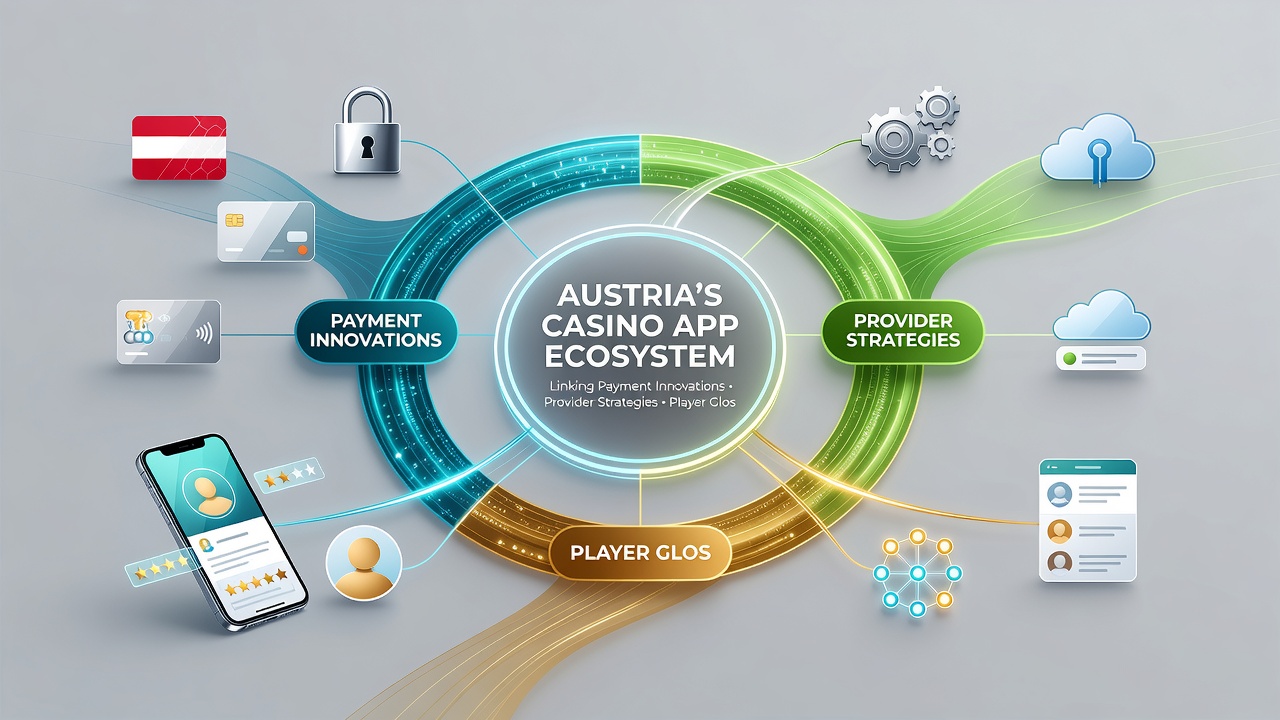
Player Glossary Queries and Their Patterns
Analytics shared by several Austrian-licensed platforms demonstrate that glossary searches peak during peak evening hours, with users looking up terms connected to both payments and game mechanics in the same session. Common queries include definitions for "withdrawal pending status," "bonus wagering calculations," and "currency conversion rates," which reflect the intersection of financial features and gameplay rules. Data collected through app analytics tools indicates that players who access glossary sections complete transactions at higher rates than those who do not, suggesting these resources support smoother navigation through complex payment flows. Providers have adapted by refining their search algorithms to prioritize results that match common payment-related terminology, while also updating entries to reflect any changes in processing times announced by financial partners.
Integration of Payment Systems with Glossary Resources
The connection between payment innovations and glossary functionality becomes evident when examining how apps display confirmation screens after a deposit. Terms explaining settlement periods or security protocols appear as expandable sections, allowing users to reference definitions without leaving the transaction flow. Reports from the Canadian Gaming Association highlight parallel developments in other regulated markets, where similar integrations have reduced support ticket volumes related to payment confusion. In Austria, this linkage extends further as providers track which glossary entries users view most often and adjust promotional messaging accordingly, such as highlighting faster payout methods when users search for related terms. As of October 2026, several operators have introduced dynamic glossary updates that sync automatically with payment provider announcements, ensuring definitions remain current without manual intervention.
Regulatory Context and Future Adjustments
Austrian authorities continue to monitor app compliance through periodic audits that assess both payment security and the accuracy of in-app educational content. These reviews focus on whether glossary information accurately reflects actual processing times and fee structures offered by integrated services. Industry reports from the Asia-Pacific Gaming Council note that comparable regulatory frameworks in other regions have prompted providers to maintain detailed audit trails for both financial transactions and user interface elements. This dual oversight encourages ongoing refinements in how apps present payment options alongside explanatory resources, creating a more cohesive ecosystem for users who rely on quick access to definitions during gameplay sessions.
Conclusion
The Austrian casino app landscape demonstrates clear connections between evolving payment methods, provider adaptation strategies, and the glossary tools that support player understanding. Data indicates these elements operate interdependently, wth each influencing how users engage with licensed platforms. Continued regulatory attention and technological updates will likely sustain this integration pattern in coming periods.